

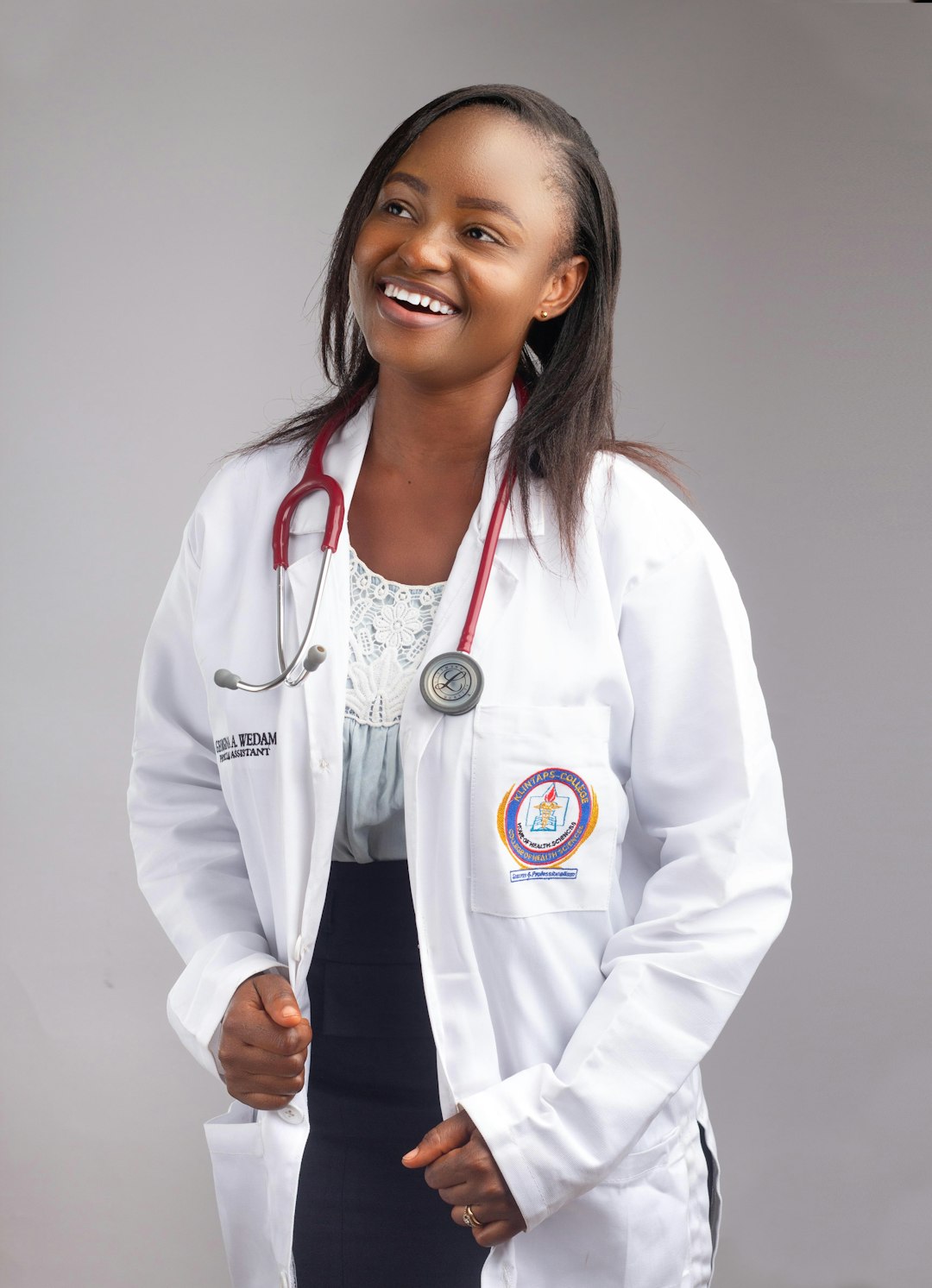
Good healthcare depends not only on clinical knowledge but also on communication. Patients need clear explanations, respectful conversations and enough opportunity to ask questions about their symptoms, tests, medicines and next steps.
Why clear communication matters
Medical information can sometimes feel unfamiliar or overwhelming. When clinicians explain information in understandable language, patients are better able to follow instructions, prepare for tests and make informed decisions about their care.
Patients should feel able to ask questions
Useful questions may include: What does this result mean? Why is this test being recommended? What should I expect next? When should I return? What symptoms should make me seek urgent care? Asking questions is an important part of understanding your care.
Good communication is two-way
Patients also help the clinical team by describing symptoms as clearly as possible, mentioning current medicines and allergies, and sharing relevant medical history. If something has changed since a previous visit, say so. Accurate information can help the clinician understand the situation more fully.
Confidentiality and respect
Clear communication should also be respectful and private. Patients should feel that their concerns are taken seriously and that personal health information is handled responsibly. At Michelle Olatoks Specialist Hospital, compassion, confidentiality, patient safety and clear communication are central to our approach to care.
Preparing for your appointment
Before a consultation, write down the main concerns you want to discuss and bring relevant reports or test results. You may also find our guide on preparing for a specialist consultation helpful.
To learn more about the hospital, visit our About Us page, explore our healthcare services, or contact Michelle Olatoks Specialist Hospital in Ikeja, Lagos.
This article is intended for general health education and does not replace medical advice, diagnosis or treatment from a qualified healthcare professional.